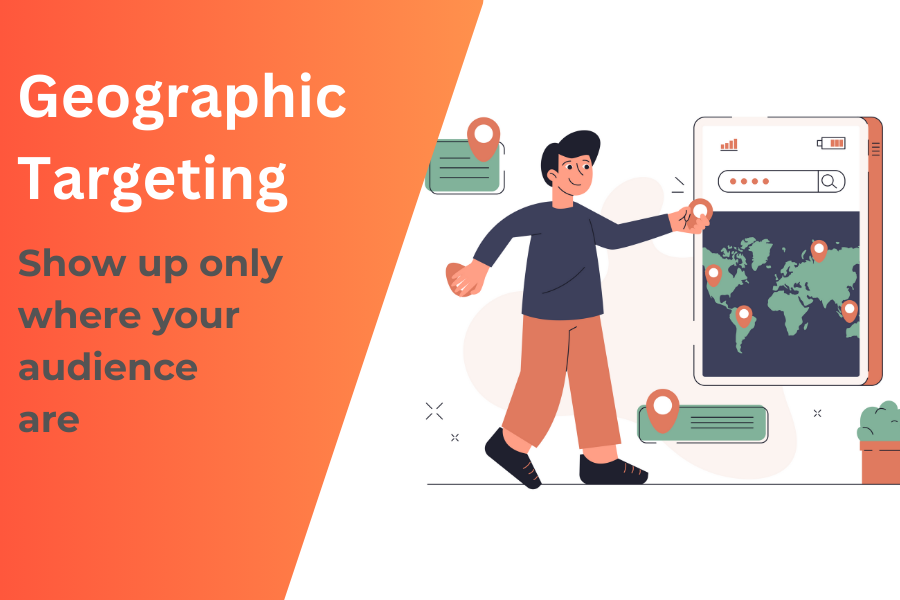
Reaching the right audience is one of the biggest factors behind the success of any paid advertising campaign. You can have strong ad creatives, compelling offers, and even generous budgets, but without precise targeting, your ads can easily show in locations that do not bring value. This is where geographic targeting becomes a critical part of your paid strategy. It helps you control where your ads appear, reduce wasted impressions, and focus your budget on areas with the highest conversion potential.
Whether your business operates locally or serves customers across multiple regions, understanding how to use geographic targeting can significantly improve your return on ad spend. In this guide, we break down how it works, how to apply it properly, and how to build a location focused strategy that supports both visibility and revenue goals.
What is Geographic Targeting?
Geographic targeting allows advertisers to display ads only to users in specific locations. These locations can be as broad as entire countries or as narrow as a neighborhood or small radius around a store.
In platforms like Google Ads, Meta Ads, and other PPC networks, geographic targeting is a built in feature that helps advertisers reach people based on:
- Countries
- Regions
- Cities
- ZIP codes
- Radius around a physical point
- Areas of interest
- Location intent
This feature is particularly useful for businesses that rely on local customers or serve specific areas. It ensures that the people seeing your ads are those most likely to act on them.
Why Geographic Targeting Matters in Paid Campaigns
Every paid campaign has a goal, whether it is to increase sales, boost leads, grow appointments, or build brand awareness. When ads appear in places where your customers do not live, your budget gets spread thin and your conversion rate drops.
Here are the main reasons geographic targeting makes a difference:
1. Eliminates wasted ad spend
Instead of showing your ads to users in irrelevant regions, geographic targeting ensures that every impression is used wisely.
2. Improves ad relevance
People are more likely to act on ads that are tailored to their local context. Localized messaging leads to higher engagement.
3. Helps you focus on profitable locations
Not all regions perform the same. Some areas will have higher demand, stronger purchasing power, or more interest in your offering.
4. Enhances campaign performance
Better targeting leads to higher click through rates, lower bounce rates, and more conversions.
5. Supports local SEO and offline sales
Businesses with physical locations benefit when ads focus on users who can actually visit the store.
How Geographic Targeting Works in Paid Advertising Platforms
While tools and features vary across platforms, most follow a similar approach. Advertisers choose a location, set targeting rules, and adjust bids or exclude areas based on performance.
Google Ads
You can target locations through:
- Countries
- States or provinces
- Cities
- ZIP codes
- Radius around a pin
- Location intent or presence
Google also lets you view performance by geographic segment.
Meta (Facebook and Instagram) Ads
Meta allows targeting based on:
- People living in the location
- People recently in the location
- People traveling in the location
- Custom radius targeting
Microsoft Ads
Similar to Google, with support for city, state, and country targeting.
Programmatic platforms
These often support:
- GPS based data
- IP address targeting
- Localized geofencing
No matter the platform, the goal is the same. Use geographic targeting to reach the right people with the right message at the right time.
Choosing the Right Locations for Your Campaign
The effectiveness of geographic targeting begins with selecting the right areas. Businesses often make the mistake of choosing too many locations or selecting broad regions based on assumptions instead of data.
To get this step right, consider the following:
1. Analyze past performance
Use data from:
- Google Analytics
- CRM data
- Sales maps
- Heatmaps from previous campaigns
Look for regions that historically bring strong conversions or high quality leads.
2. Understand customer behavior
Where do your customers live? Where do they work? Where do they shop? Understanding their movement and behavior helps define your target regions.
3. Study competitors
Competitors may dominate specific areas. Targeting nearby regions can help you capture unserved markets.
4. Consider logistics
For businesses with shipping, delivery, or regional limitations, this becomes even more important.
5. Start narrow before going broad
A smaller target area helps prevent early budget wastage. You can expand gradually once you find what works.
Types of Geographic Targeting You Can Use
Not all geographic targeting strategies are alike. Different approaches work better depending on your objectives.
1. Country Level Targeting
Ideal if you serve customers nationwide or operate an international business.
Benefits:
- Broad reach
- Good for brand awareness
Challenges:
- Budget spread across too many locations
- Regional differences in behavior and cost
2. Region or State Level Targeting
Useful for businesses that operate within specific zones.
Benefits:
- More control
- Higher relevance
- Better cost management
3. City Level Targeting
Perfect for businesses targeting specific urban markets or population centers.
Benefits:
- Very precise
- Good ROI for local services
- Supports tailored messaging
4. ZIP Code or Postal Code Targeting
Allows hyper focused campaigns in high value areas.
Benefits:
- Helps reach premium neighborhoods
- Ideal for service based businesses
5. Radius Targeting
Targets users around a specific point, such as:
- A store
- A franchise branch
- An event venue
Cutoff distances can be as tight as one kilometer.
6. Geofencing
Triggers ads based on real time GPS movement.
Ideal for:
- Retail
- Restaurants
- Events
- Hyperlocal offers
7. Exclusion Targeting
Just as important as selecting where to show ads is choosing where not to show them.
Excluding non performing or irrelevant locations prevents budget waste.
How to Create Geo Specific Messaging
Once you have the right locations set, the next step is crafting ads that resonate with local audiences. Local relevance gives your campaign a significant competitive advantage.
Here are some tips:
1. Mention specific locations in your ad copy
Examples:
- “Best plumbing services in Cebu City”
- “Fast delivery within Makati”
2. Highlight local benefits
People respond well to brands that understand their environment.
3. Use local images
Show recognizable landmarks, local lifestyles, or region specific visuals.
4. Customize promotions by region
Not all offers work everywhere. Tailor promotions based on needs and behavior.
5. Use local languages when applicable
This works especially well for multilingual countries.
Localized ads paired with strategic geographic targeting lead to higher engagement and trust.
Adjust Bids Based on Location Performance
After your ads start running, you can use location performance data to refine your bidding strategy.
Most platforms allow you to:
- Increase bids in high performing regions
- Decrease bids in low performing regions
- Exclude poor performing locations entirely
Examples:
- If Cebu City delivers 40 percent more conversions at lower cost, raise bids in Cebu.
- If Davao leads to high clicks but low conversions, lower bids there or pause targeting.
This is how geographic targeting boosts efficiency. You invest more where returns are stronger.
Using Geographic Targeting for Local Businesses
Local businesses benefit the most from precise location targeting. For them, reach is not the goal. Local conversions are what matter.
Examples include:
- Restaurants
- Gyms
- Retail stores
- Clinics
- Salons
- Local repair services
These businesses depend on reaching nearby customers. Precise geographic targeting ensures ads reach people who can realistically visit the location.
Best practices for local businesses
- Use radius targeting around the store
- Run location specific promotions
- Add your store address and phone number in ads
- Use call extensions and location extensions
- Use geo based remarketing
When optimized correctly, geographic targeting can directly increase foot traffic and offline sales.
Using Geographic Targeting for National Brands
Even nationwide brands benefit from strategic location segmentation. Not all cities respond to ads in the same way. Economic conditions, culture, and consumer behavior vary.
Ways national brands use geographic targeting
- Tailor campaigns for urban vs. rural areas
- Prioritize regions with higher purchasing power
- Run location specific product promotions
- Support store openings with local ads
- Test new markets
Segmenting campaigns by region gives brands a clearer look at local performance.
Using Geographic Targeting for International Campaigns
For businesses expanding globally or selling across borders, location targeting becomes essential.
Here is how international advertisers use geographic targeting:
- Focus on countries with established demand
- Create localized campaigns per region
- Adjust for cultural differences
- Adapt language and messaging
- Use separate budgets per country
International targeting avoids spreading budget across countries where demand is low.
Common Mistakes Advertisers Make With Geographic Targeting
While the feature is simple to use, many advertisers fall into common pitfalls that limit campaign performance.
1. Targeting overly broad locations
This leads to unnecessary spend and diluted performance.
2. Forgetting to exclude poor performing regions
If a city or area consistently produces low quality traffic, exclude it.
3. Not reviewing location performance frequently
Location trends change. You must review them weekly or monthly.
4. Using identical ads for all regions
Different regions have different needs. Personalization matters.
5. Failing to consider travel behavior
Commuters can trigger misleading signals if not managed correctly.
6. Ignoring location intent settings
Google Ads uses three categories:
- Presence
- Search interest
- Presence or interest
Choosing the wrong option impacts who sees your ads.
How to Analyze Location Performance
Once your campaign runs long enough, you can analyze location data to refine your strategy.
Metrics to review
- Conversion rate per region
- Click through rate
- Cost per conversion
- Impression share
- Average CPC
- Lead quality
- Geographic heatmaps
Tools to use
- Google Ads Locations Report
- Google Analytics geo data
- CRM sales data
- Third party heatmap tools
Insights gained from this data help you decide whether to expand, adjust, or exclude certain locations.
Advanced Techniques for Geographic Targeting
Once you master basic location targeting, you can explore advanced techniques for even stronger performance.
1. Layering demographic filters on top of location
Combine GEO and demographic insights for precise audience segments.
2. Using weather based targeting
Some industries benefit from ads triggered by weather conditions.
3. Heatmap driven targeting
Use performance maps to identify micro markets.
4. Geo based remarketing
Retarget users who visited your site from high value locations.
5. Competitor geofencing
Target users in the vicinity of competitor stores.
6. Event based geotargeting
Useful for conventions, festivals, or seasonal events.
These advanced methods allow advertisers to refine reach and maximize ROI.
Why Geographic Targeting Is Essential for Paid Campaign Optimization
A well structured campaign requires more than just strong creatives and good bidding. Geographic targeting is one of the most important levers for reducing costs and improving conversion quality.
Here is why it matters so much:
- Performance varies greatly by region
- User behavior changes by location
- Cost per click differs across markets
- Certain areas align better with your ideal customer profile
- Precision lowers wasted spend
Every paid campaign, whether large or small, benefits from geographic targeting when done right.
Conclusion: Use Geographic Targeting Strategically to Maximize Your Paid Campaigns
Mastering geographic targeting allows you to get more value from your ads, eliminate waste, and reach customers who are most likely to convert. Whether you run local, national, or global campaigns, using location data correctly can significantly increase your return on investment. It gives your campaigns structure, improves relevance, and strengthens your long term paid media strategy.
If you want to amplify your paid campaign performance and take advantage of geographic targeting with expert precision, partnering with specialists can help you unlock better results. NextGen Search Agency combines industry knowledge, strategic execution, and data driven optimization to help brands grow through smarter paid advertising.
Ready to reach the right customers in the right locations? Visit NextGenSearch.agency today and get expert PPC and SEM support that drives real, measurable growth.
Resources
- Google Ads Location Targeting Guide
- Meta Ads Geographic Targeting Overview
- Google Analytics Geo Reports
- Microsoft Ads Location Targeting Help
- Semrush Advertising Toolkit
- Wordstream PPC University